
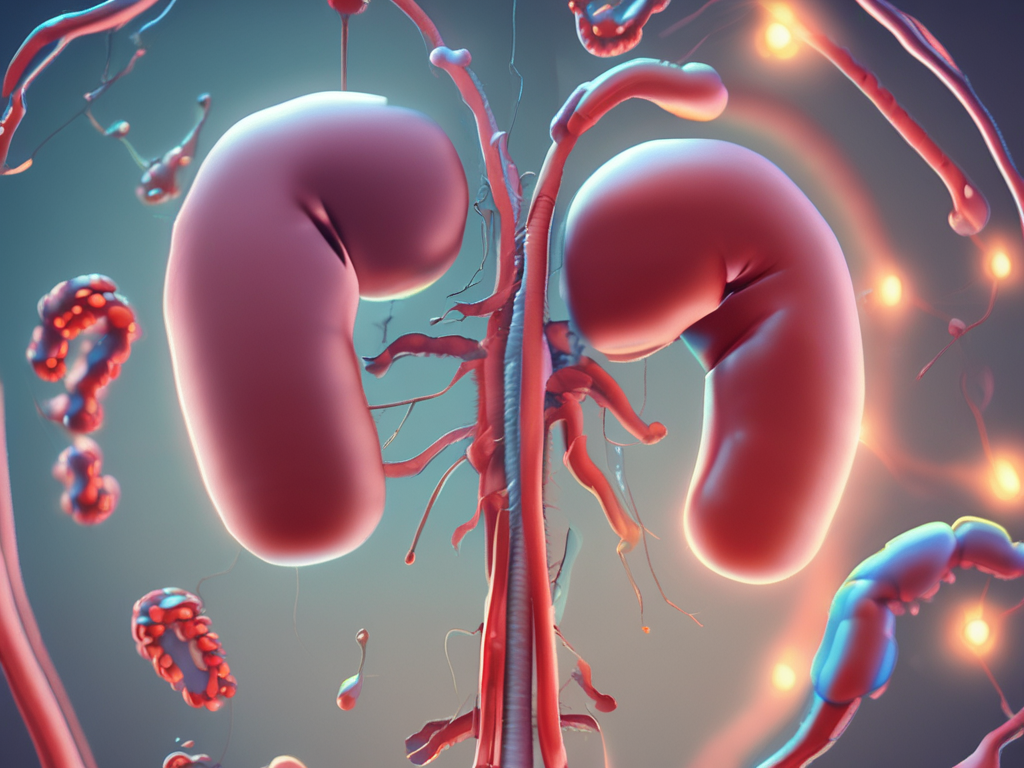
Chronic Kidney Disease (CKD) is a serious condition marked by a slow decline in kidney function. Unlike acute kidney failure, which happens quickly, CKD develops gradually and can result in kidney failure if not treated correctly. It is usually detected through a decrease in the glomerular filtration rate (GFR) or the presence of protein in the urine.
What is Glomerular Filtration Rate (GFR)?
The Glomerular Filtration Rate (GFR) is an important measure of kidney function, indicating how well the kidneys filter blood. GFR assesses the rate at which blood flows through the small filters in the kidneys, known as glomeruli, over a specific period. Normally, this rate is expressed in milliliters per minute (mL/min).
How GFR is Measured
GFR can be measured directly or estimated using various formulas that take into account factors like age, sex, body size, and creatinine levels.
Creatinine
Creatinine is a waste product produced by muscle metabolism and is normally filtered out by the kidneys. Higher levels of creatinine in the blood indicate lower kidney function.
Two common methods for estimating GFR are:
Creatinine Clearance Test: This test compares the level of creatinine in a 24-hour urine sample to the creatinine level in the blood.
Estimated GFR (eGFR): This calculation uses a mathematical formula that includes serum creatinine levels, age, sex, and sometimes race. The most commonly used formula is the Chronic Kidney Disease Epidemiology Collaboration (CKD-EPI) equation.
Importance of GFR
GFR is a key metric used to assess kidney health and diagnose the stages of Chronic Kidney Disease (CKD). Here’s why it is so important:
- Detecting Kidney Disease: A declining GFR indicates worsening kidney function, which can help diagnose CKD early, even before symptoms appear.
- Staging CKD: GFR is used to classify the severity of CKD into five stages, each stage representing a progressive decline in kidney function.
- Guiding Treatment: Knowing the GFR helps healthcare providers tailor treatments to slow the progression of CKD and manage complications effectively.
- Monitoring Kidney Health: Regular GFR measurements allow for ongoing monitoring of kidney function, helping to track the effectiveness of treatments and lifestyle modifications.
Stages of Chronic Kidney Disease (CKD)
Chronic Kidney Disease (CKD) progresses through five distinct stages, each representing a gradual decline in kidney function. These stages are defined by the Glomerular Filtration Rate (GFR), which measures how well the kidneys filter waste and excess fluids from the blood. Understanding these stages is crucial for effective management and treatment of CKD.
Stage 1: Kidney Damage with Normal GFR (≥90 mL/min)
In Stage 1, kidney damage is present, but the GFR remains normal or high, at 90 mL/min or higher. Although kidney function is still adequate, signs of damage, such as protein in the urine (proteinuria) or physical abnormalities detected through imaging, are evident. Early detection and intervention are critical at this stage to slow disease progression. Lifestyle changes, such as adopting a kidney-friendly diet, controlling blood pressure and blood sugar levels, and avoiding nephrotoxic substances, can be effective.
Stage 2: Kidney Damage with Mildly Reduced GFR (60-89 mL/min)
Stage 2 CKD is characterized by a mild reduction in GFR, ranging from 60 to 89 mL/min. Similar to Stage 1, there may be no noticeable symptoms, but kidney damage markers are present. Continued focus on managing underlying conditions like hypertension and diabetes is essential. Regular monitoring of kidney function and addressing cardiovascular risk factors are also important in this stage.
Stage 3: Moderately Reduced GFR (30-59 mL/min)
Stage 3 is split into two sub-stages: Stage 3a (GFR 45-59 mL/min) and Stage 3b (GFR 30-44 mL/min). At this stage, a moderate reduction in kidney function is evident, and symptoms may begin to manifest. Patients might experience fatigue, swelling in extremities, and changes in urination patterns. It becomes increasingly important to manage complications such as anemia, bone disease, and cardiovascular problems. Medications to control blood pressure, blood sugar, and cholesterol are often prescribed, alongside dietary adjustments and regular follow-ups with a nephrologist.
Stage 4: Severely Reduced GFR (15-29 mL/min)
In Stage 4, the GFR drops to between 15 and 29 mL/min, indicating severe kidney damage. Symptoms become more pronounced and may include significant fatigue, swelling, changes in appetite, and difficulty concentrating. Preparation for potential kidney replacement therapy, such as dialysis or a kidney transplant, begins in this stage. Comprehensive management of complications and close monitoring by healthcare providers are crucial. Patients are often referred to a nephrologist for specialized care and may need to adhere to stricter dietary and fluid restrictions.
Stage 5: Kidney Failure (GFR <15 mL/min)
Stage 5, also known as end-stage renal disease (ESRD), occurs when the GFR falls below 15 mL/min. At this stage, the kidneys can no longer maintain the body’s balance of waste and fluids. Symptoms are severe and can include nausea, vomiting, loss of appetite, fatigue, muscle cramps, and difficulty breathing. Kidney replacement therapy, such as dialysis or a kidney transplant, becomes necessary to sustain life. Patients typically undergo hemodialysis, peritoneal dialysis, or may be evaluated for a kidney transplant.
Managing CKD Across All Stages
Early detection and intervention are vital in managing CKD effectively across all stages. Regular screening for individuals at risk, such as those with diabetes, hypertension, or a family history of kidney disease, is essential. Lifestyle modifications, including a balanced diet, regular exercise, and smoking cessation, play a significant role in slowing disease progression. Adherence to prescribed medications and regular follow-ups with healthcare providers help manage symptoms and complications.
Effects of CKD
CKD has far-reaching effects on various bodily systems, leading to a range of health issues. Fluid retention is common, with swelling occurring in the legs, ankles, feet, face, and hands due to the kidneys’ diminished ability to remove excess fluid. Electrolyte imbalances also arise, affecting potassium, calcium, and phosphorus levels, which can impact heart and bone health. Reduced kidney function often leads to high blood pressure, further damaging the kidneys.
Anemia is another significant effect of CKD. The kidneys produce less erythropoietin, resulting in a lower red blood cell count and contributing to fatigue. Additionally, CKD can weaken bones, increasing the risk of fractures, and elevate the risk of cardiovascular disease, including heart disease and stroke. Fatigue from anemia and waste product buildup in the blood, known as uremia, can cause nausea, vomiting, and mental confusion.
Preventative Measures
Proactive steps can help manage and slow the progression of CKD. Regular screening is crucial, especially for individuals with diabetes or hypertension. A healthy diet, low in salt and processed foods and high in fruits, vegetables, and whole grains, supports kidney health. Regular exercise helps control weight, blood pressure, and blood sugar levels, which are critical in managing CKD.
Controlling blood pressure and diabetes through proper management can significantly slow the disease’s progression. Avoiding smoking and limiting alcohol intake are also essential, as smoking and excessive drinking exacerbate kidney damage. Staying hydrated by drinking adequate water supports kidney function, and adhering to prescribed medications helps manage conditions impacting kidney health.
Living with CKD
Living with CKD requires regular medical check-ups, kidney function monitoring, and lifestyle adjustments. Patients often need to follow a kidney-friendly diet tailored to reduce strain on the kidneys. Medications to control blood pressure, blood sugar, and cholesterol levels are typically necessary. Avoiding over-the-counter medications that can harm the kidneys, such as NSAIDs, is also crucial. Managing symptoms and complications with healthcare professionals’ assistance is vital, as is preparing for potential dialysis or transplant if the disease progresses to end-stage renal disease (ESRD).
Technologies that Assist CKD Patients
Advancements in technology have provided various tools to improve the quality of life for CKD patients. Dialysis machines are essential for filtering waste products from the blood when kidneys fail. Wearable dialysis devices are being developed to offer more freedom and better quality of life. Telemedicine enables remote monitoring and consultations, while mobile apps help track medication, diet, and symptoms. Home monitoring devices for blood pressure, blood sugar, and weight facilitate home health management, and electronic health records (EHRs) promote coordinated care by allowing healthcare providers to share patient information.
Common Terminology in CKD
Understanding common terminology in CKD helps patients and caregivers navigate the disease. Albuminuria indicates kidney damage through the presence of albumin in the urine. GFR (Glomerular Filtration Rate) measures kidney function and determines disease stage. Hemodialysis is a machine-based filtration of blood waste and water, while peritoneal dialysis uses the abdominal lining to filter blood internally. ESRD (End-Stage Renal Disease) is the final CKD stage requiring dialysis or transplant. A nephrologist specializes in kidney care, and uremia refers to high waste product levels in the blood. A transplant involves surgically replacing a failed kidney with a healthy donor kidney.
By understanding CKD and its implications, patients and their caregivers can better manage the disease and improve their quality of life. Regular monitoring, lifestyle changes, and utilizing available technologies are crucial in mitigating the impact of CKD.

 HPO Initiative
Leave a comment