

Hypertension, commonly known as high blood pressure, is a medical condition in which the force of the blood against the arterial walls is consistently too high. Based on the guidelines from the American College of Cardiology/American Heart Association, it is defined by a systolic blood pressure (the top number) of 130 mm Hg or higher or a diastolic blood pressure (the bottom number) of 80 mm Hg or higher.

Effects of Hypertension
Hypertension can have severe effects on the body, often developing silently without symptoms but leading to significant health problems over time:
- Cardiovascular Disease: Increased risk of heart attack, stroke, and heart failure.
- Kidney Damage: This can cause chronic kidney disease or worsen existing kidney conditions.
- Vision Loss: Hypertension can damage the blood vessels in the eyes, leading to vision problems or blindness.
- Cognitive Impairment: Part of an increased risk of dementia and cognitive decline.
- Aneurysm: High blood pressure can cause blood vessels to weaken and bulge, leading to aneurysms.
- Peripheral Artery Disease: Reduced blood flow can cause pain and mobility issues in the legs.
Preventative Measures
Preventing hypertension involves lifestyle changes and, in some cases, medication:
- Healthy Diet: Consume a balanced diet rich in fruits, vegetables, whole grains, and low-fat dairy. The DASH (Dietary Approaches to Stop Hypertension) diet is often recommended.
- Regular Exercise: Engage in at least 150 minutes of moderate-intensity or 75 minutes of high-intensity exercise per week.
- Keep a Healthy Weight: Losing weight can significantly reduce blood pressure.
- Limit Alcohol Intake: Drinking in moderation can help manage blood pressure levels.
- Avoid Tobacco Use: Smoking cessation reduces the risk of hypertension and related diseases.
- Reduce Sodium Intake: Limiting salt intake can help lower blood pressure.
- Manage Stress: Techniques like meditation, deep breathing, and yoga can help reduce stress and blood pressure.
- Regular Monitoring: Regular blood pressure checks to make sure it remains within a healthy range.
Common Phrases and Terminology
- Systolic Pressure: The pressure in the arteries when the heart beats (contracts).
- Diastolic Pressure: The pressure in the arteries when the heart is at rest between beats.
- Blood Pressure Reading: A measurement that includes two numbers; the first (systolic) over the second (diastolic) (e.g., 120/80 mm Hg).
- Prehypertension: Blood pressure readings that are higher than normal but not yet in the high blood pressure range (120-129/80 mm Hg).
- Hypertensive Crisis: A severe increase in blood pressure that can lead to stroke or other serious health issues (180/120 mm Hg or higher).
- Essential Hypertension: High blood pressure with no identifiable cause, also known as primary hypertension.
- Antihypertensives: Medications used to treat high blood pressure, including diuretics, beta-blockers, ACE inhibitors, and calcium channel blockers.
Conclusion
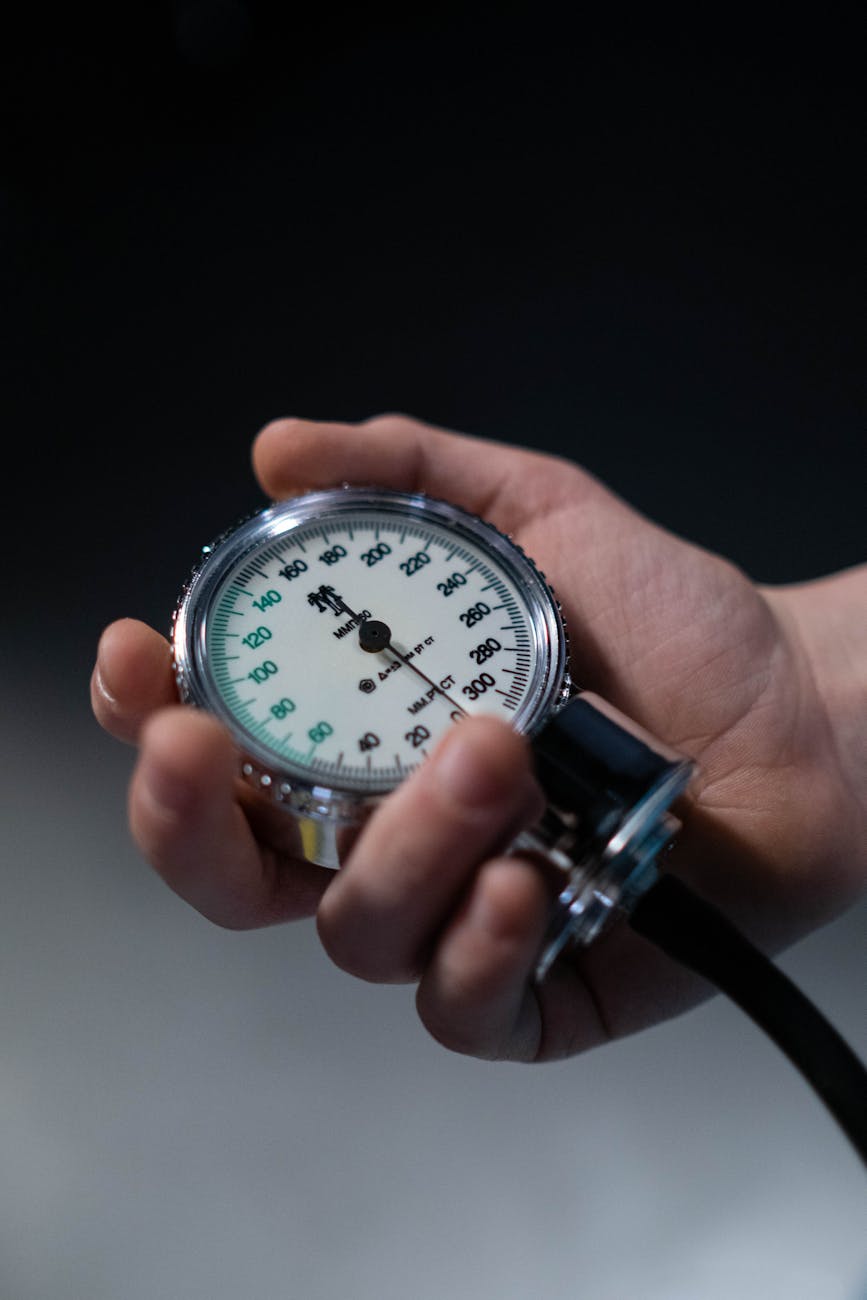
Hypertension, also known as high blood pressure, is a common and serious condition that can result in severe health problems if not properly managed. It’s important to comprehend its impact, take preventive actions, and be familiar with the related terms for effective management and prevention.
Key Takeaways:
- Definition and Diagnosis: Hypertension is diagnosed when the systolic blood pressure is 130 mm Hg or higher or the diastolic blood pressure is 80 mm Hg or higher.
- Health Effects: Uncontrolled hypertension can lead to cardiovascular disease, kidney damage, vision loss, aneurysms, cognitive impairment, and peripheral artery disease.
- Preventative Measures: A healthy diet (the DASH diet), regular exercise, maintaining a healthy weight, limiting alcohol intake, avoiding tobacco use, reducing sodium intake, managing stress, and regular blood pressure monitoring are effective strategies to prevent and manage hypertension.
- Common Terminology: Understanding terms like systolic pressure, diastolic pressure, blood pressure reading, prehypertension, hypertensive crisis, essential hypertension, secondary hypertension, and antihypertensives helps in comprehending the condition and its management.
By implementing lifestyle changes and staying informed about hypertension, individuals can significantly reduce their risk and keep better overall health. Regular check-ups and adherence to medical advice are essential components of managing hypertension effectively.
 HPO Initiative
Leave a comment